What's Actually Changed
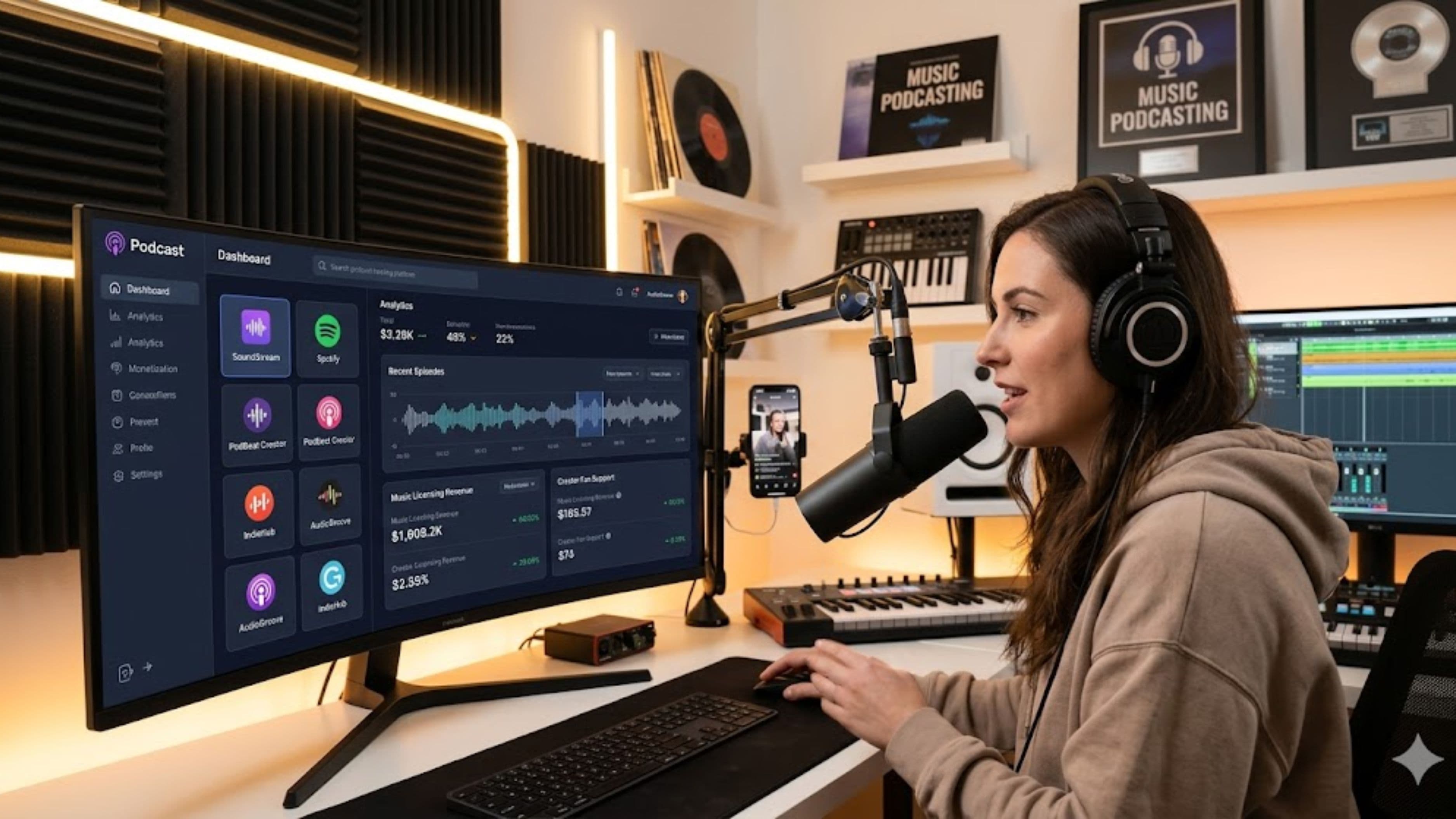
YouTube has become a major podcast consumption platform in its own right, not just a place to find music videos, and platform algorithms increasingly favor video content across the board, including podcast-style long-form conversation content. Spotify has also expanded its video podcast support significantly, meaning a show recorded with video now has meaningfully more distribution options than an audio-only recording, without requiring a fundamentally different production process.
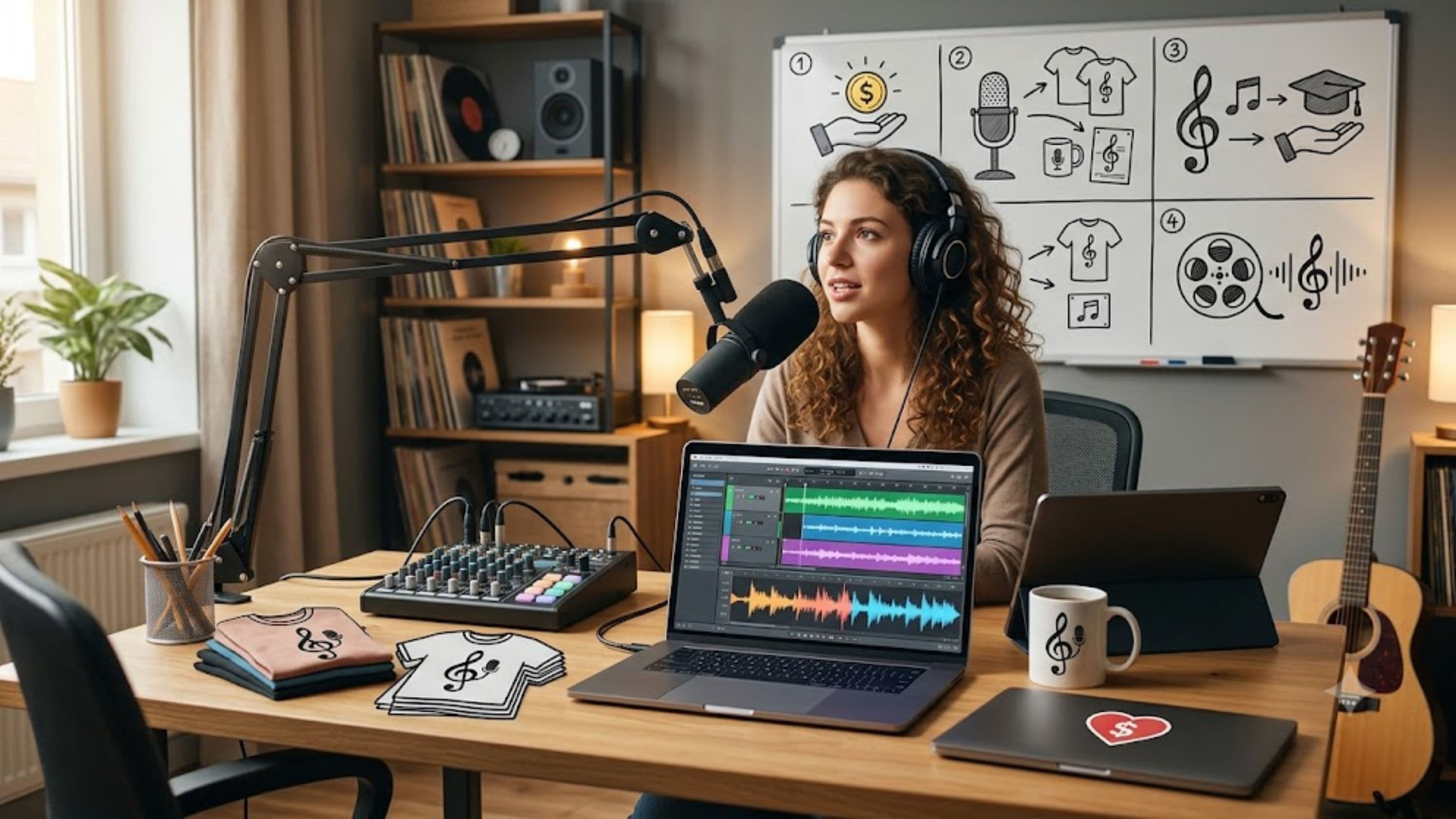
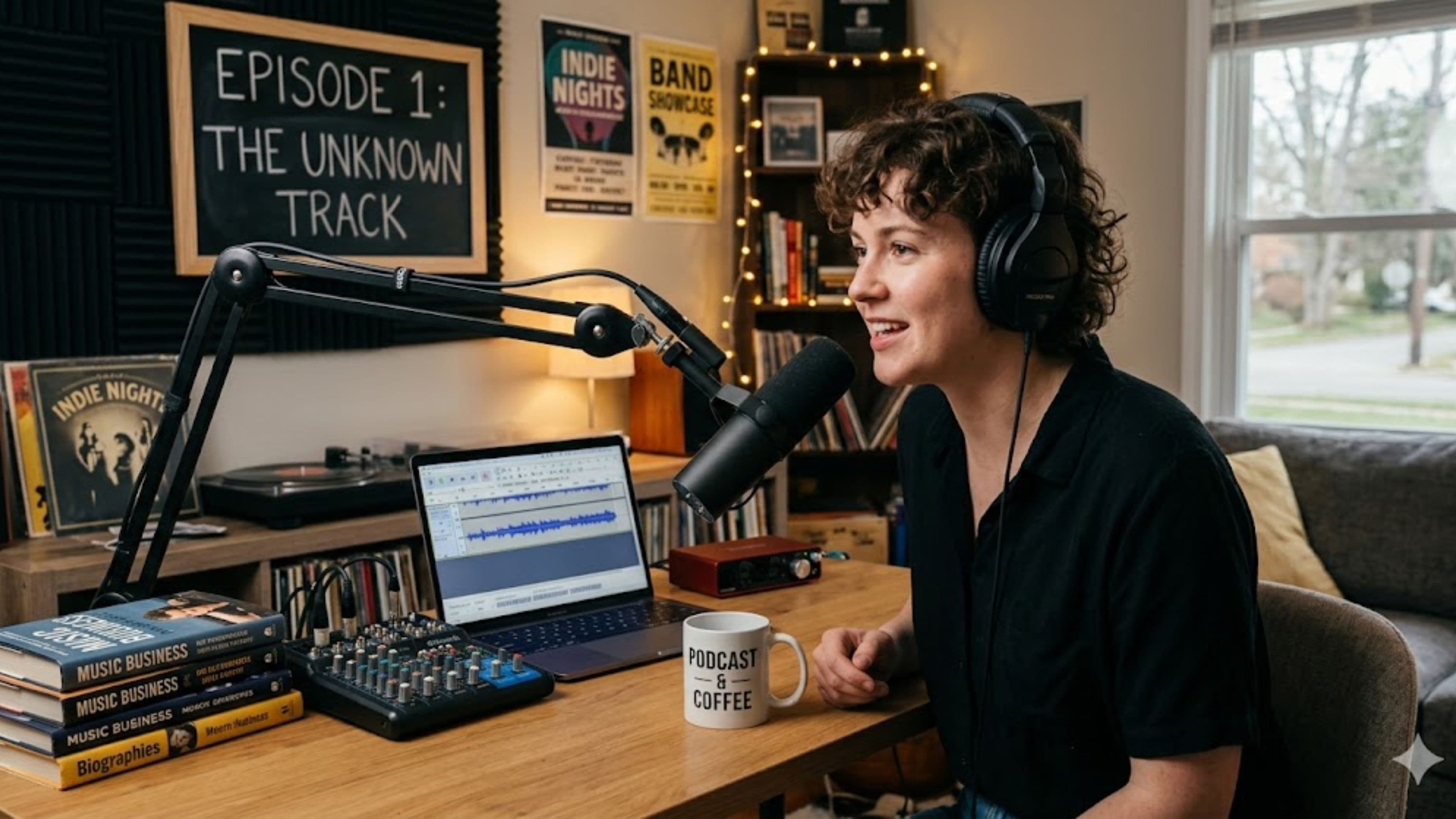
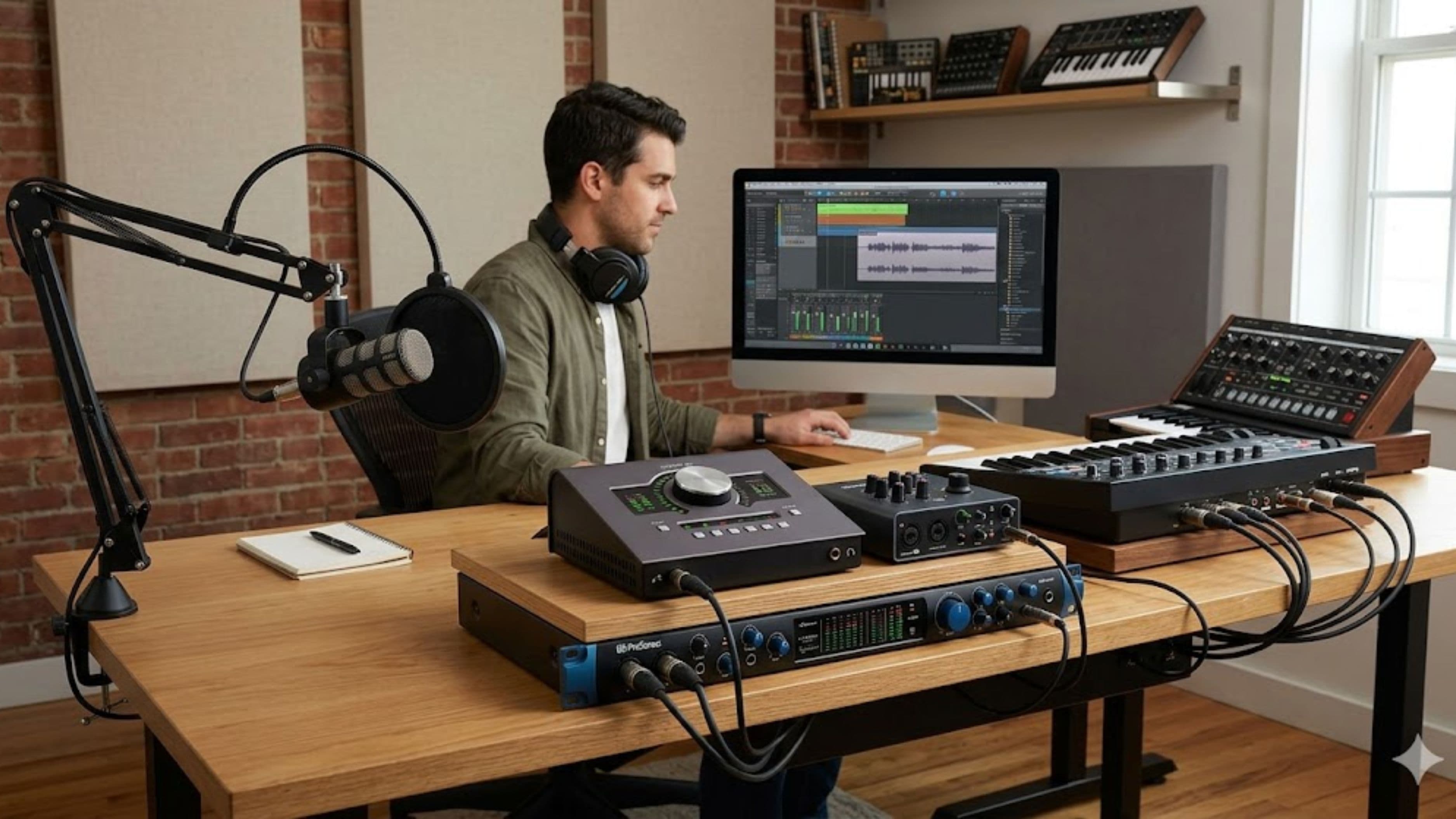
For music-focused podcasts specifically, video adds something audio genuinely can't replicate: the ability to show instruments, gear, studio setups, and visual reactions during discussion, all of which are naturally part of music conversation in a way that's harder to convey purely through audio description.
Why This Matters for Music Creator Podcasts Specifically
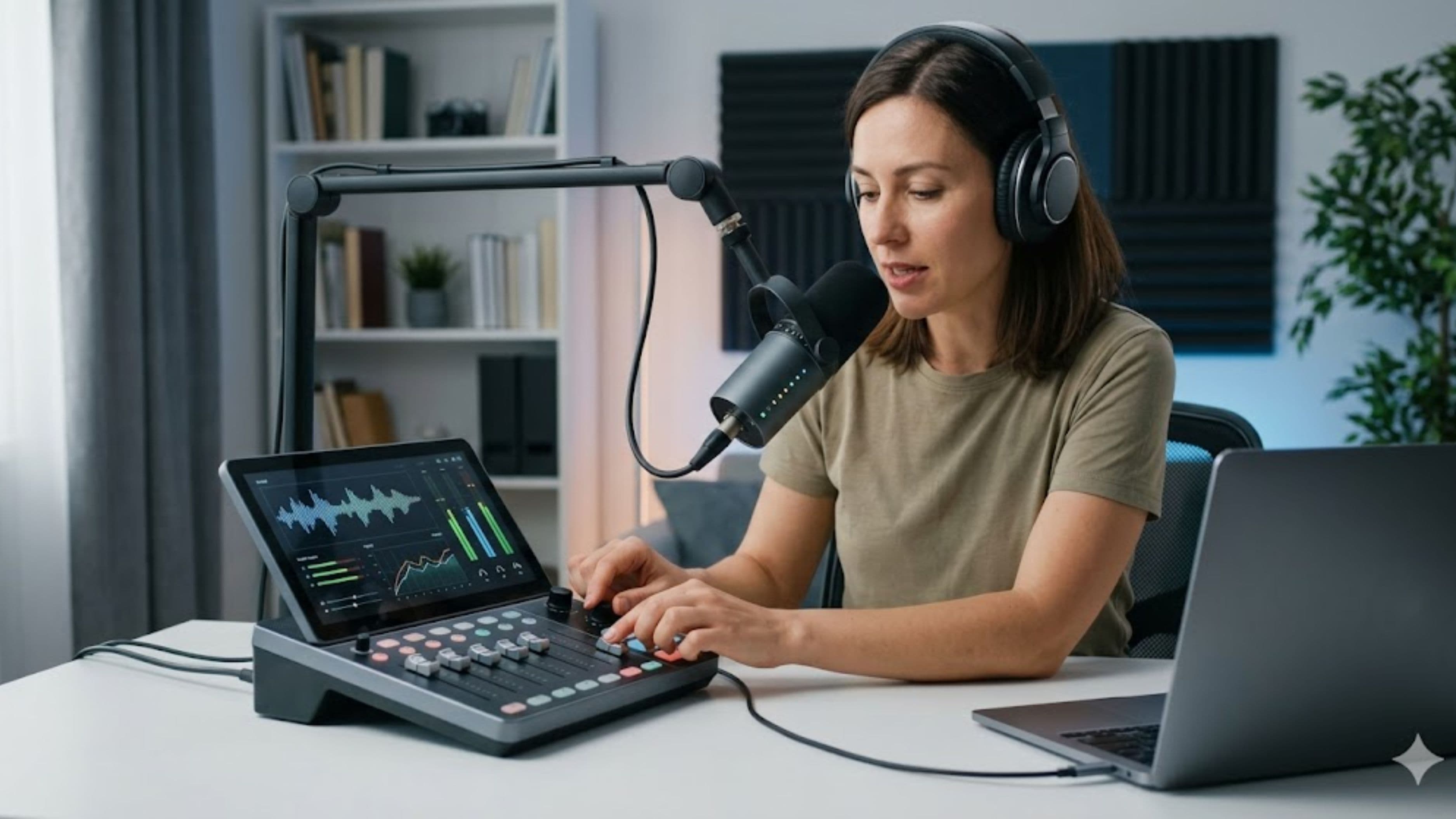
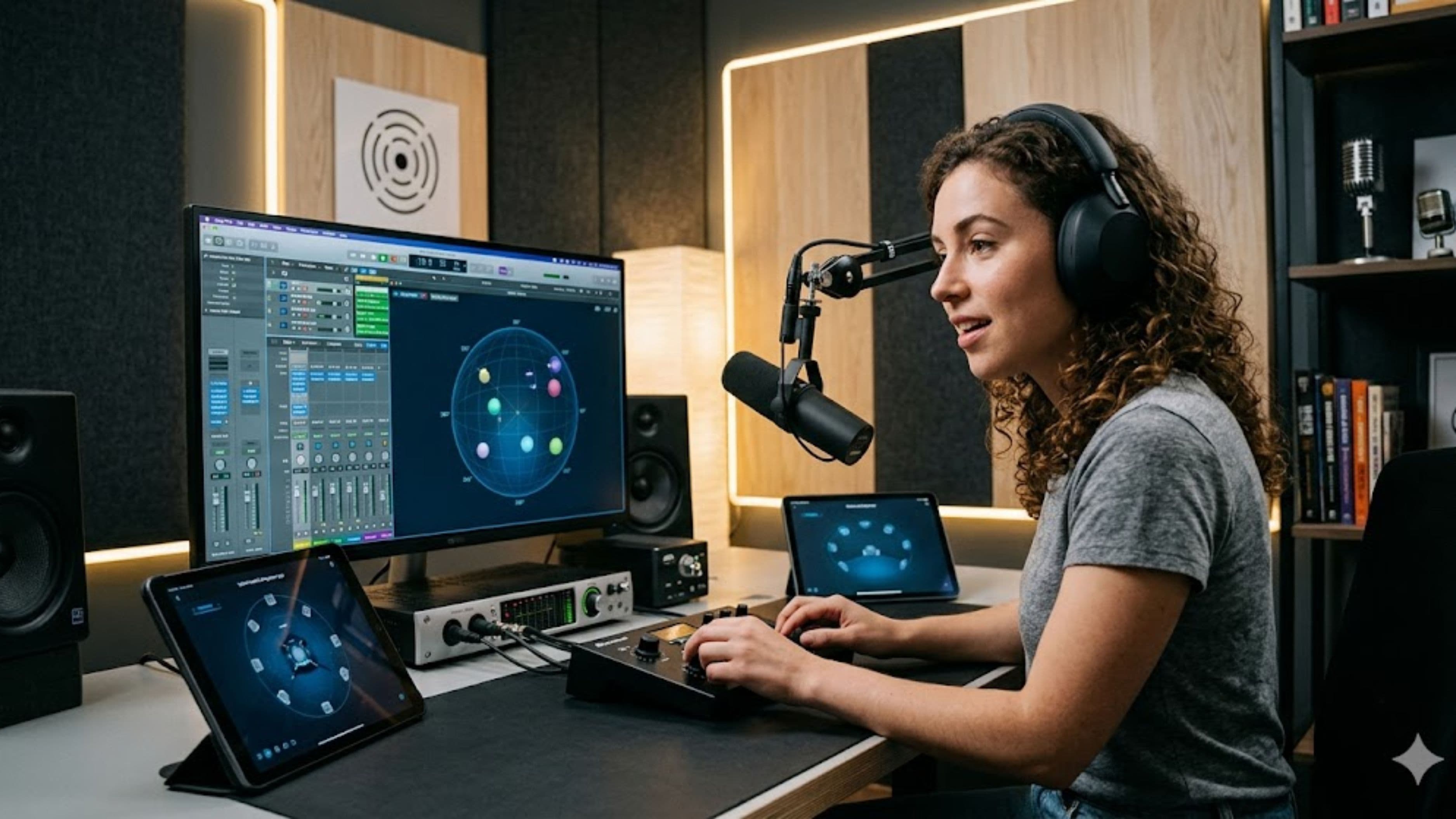
Music content is inherently visual in ways a lot of other podcast genres aren't. A conversation about a specific guitar tone, a production technique, or a piece of studio gear benefits enormously from being able to show the actual instrument or interface being discussed, rather than relying entirely on verbal description that a portion of listeners may struggle to fully follow.
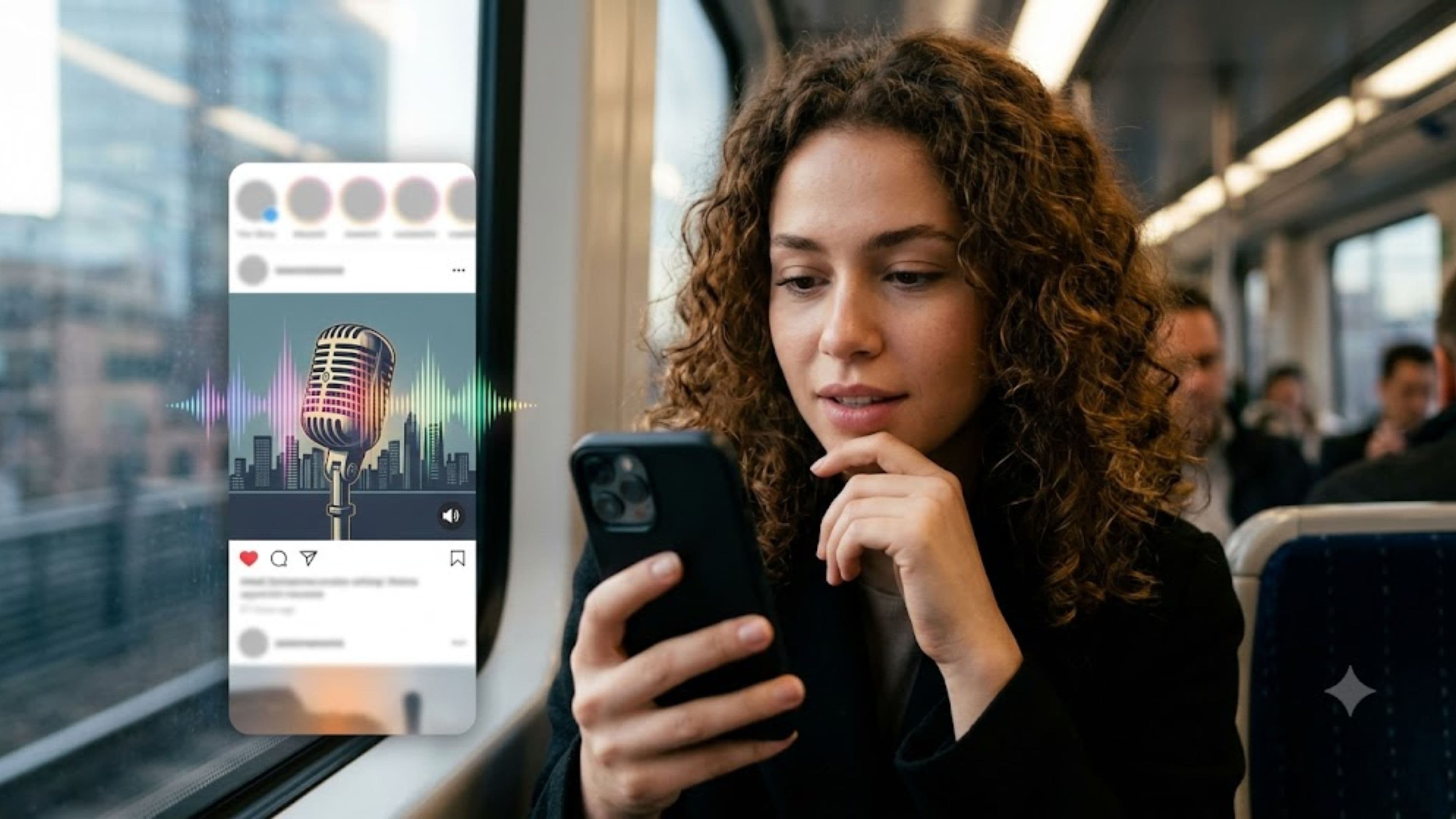
This also opens up genuinely different content opportunities: quick visual clips of a specific technique or gear demo pulled from a longer episode perform well as short-form social content, giving music podcasters a natural clip-based marketing pipeline that audio-only shows don't have nearly as easily.
The Practical Production Reality
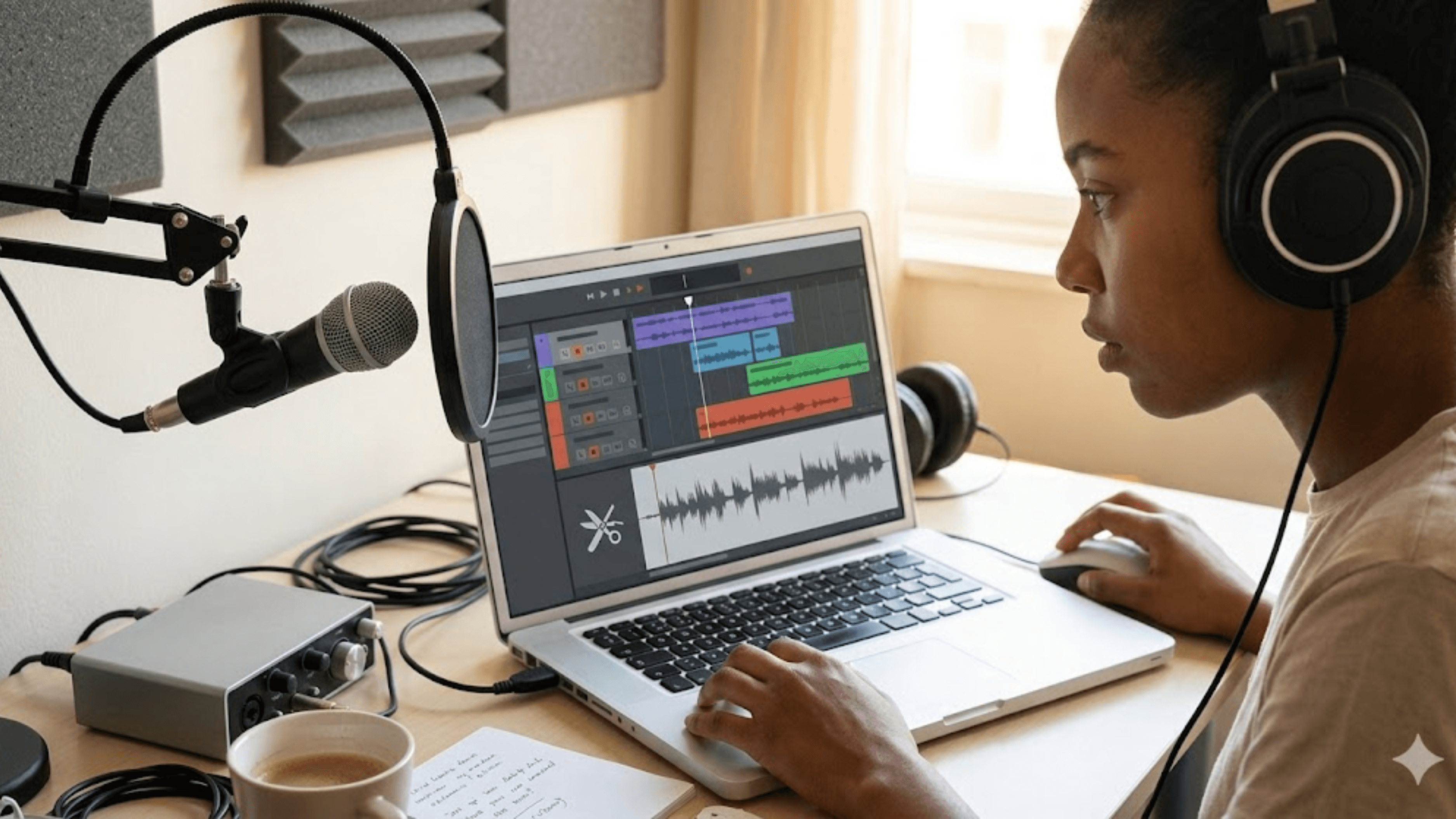
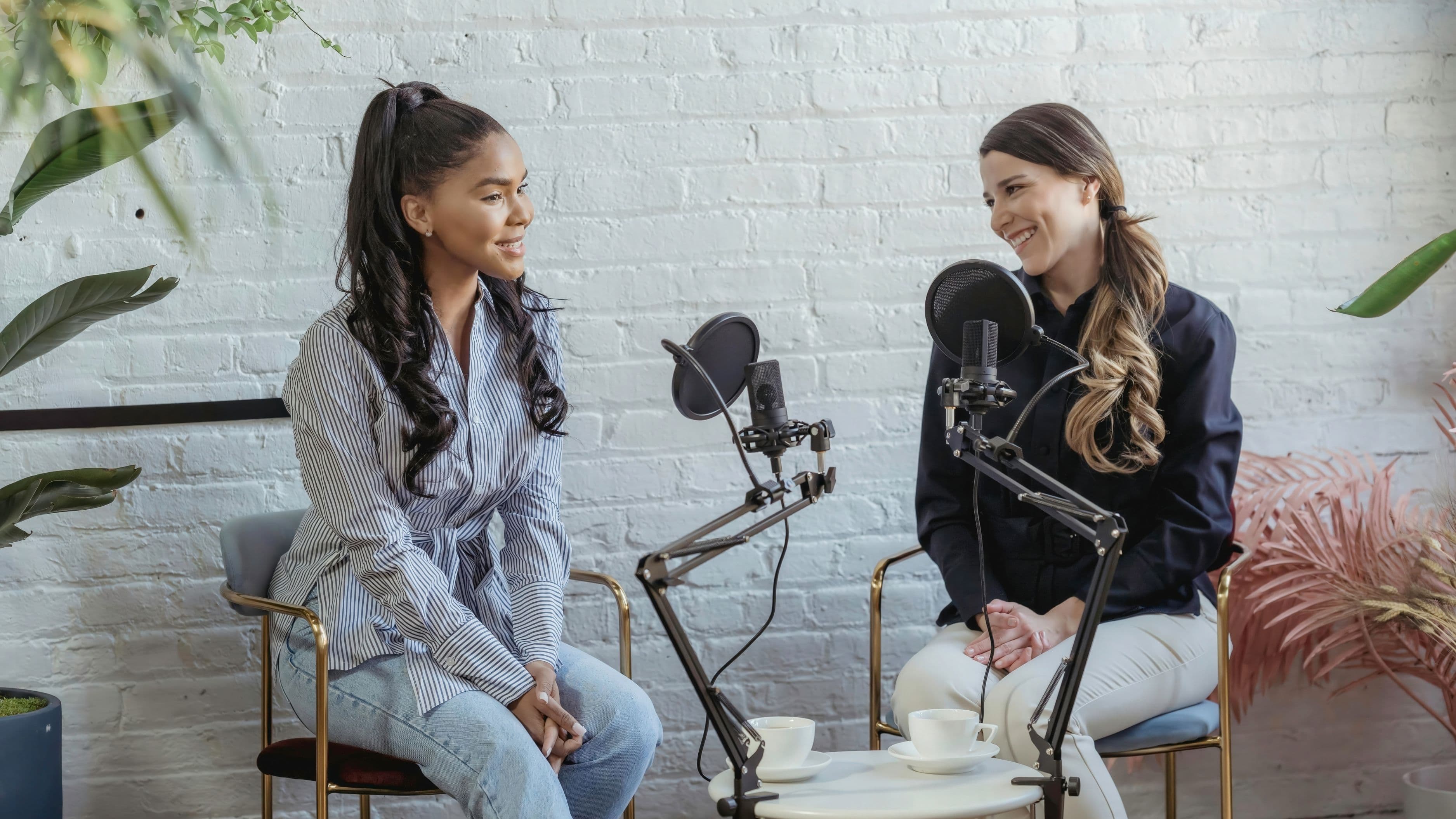
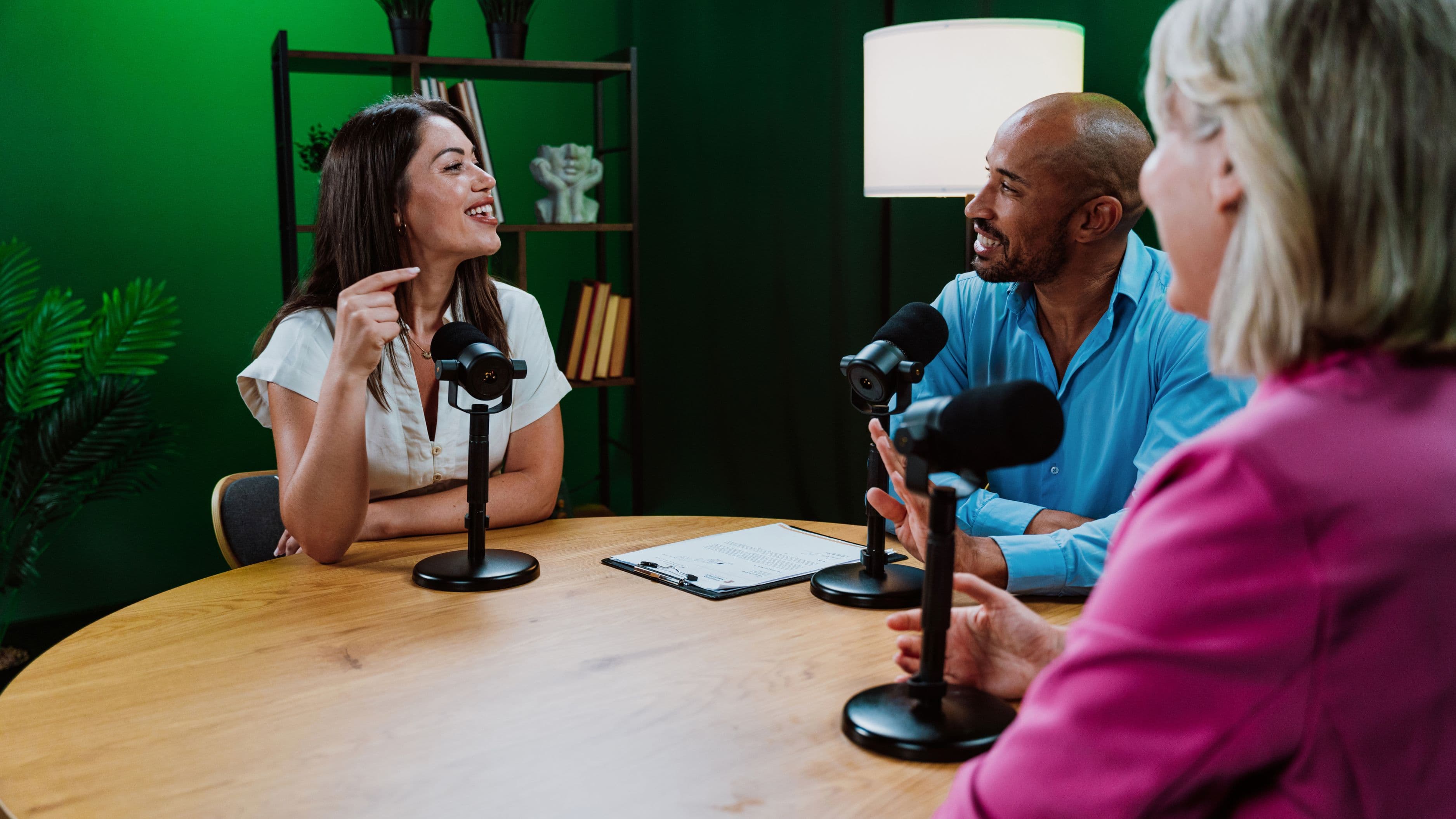
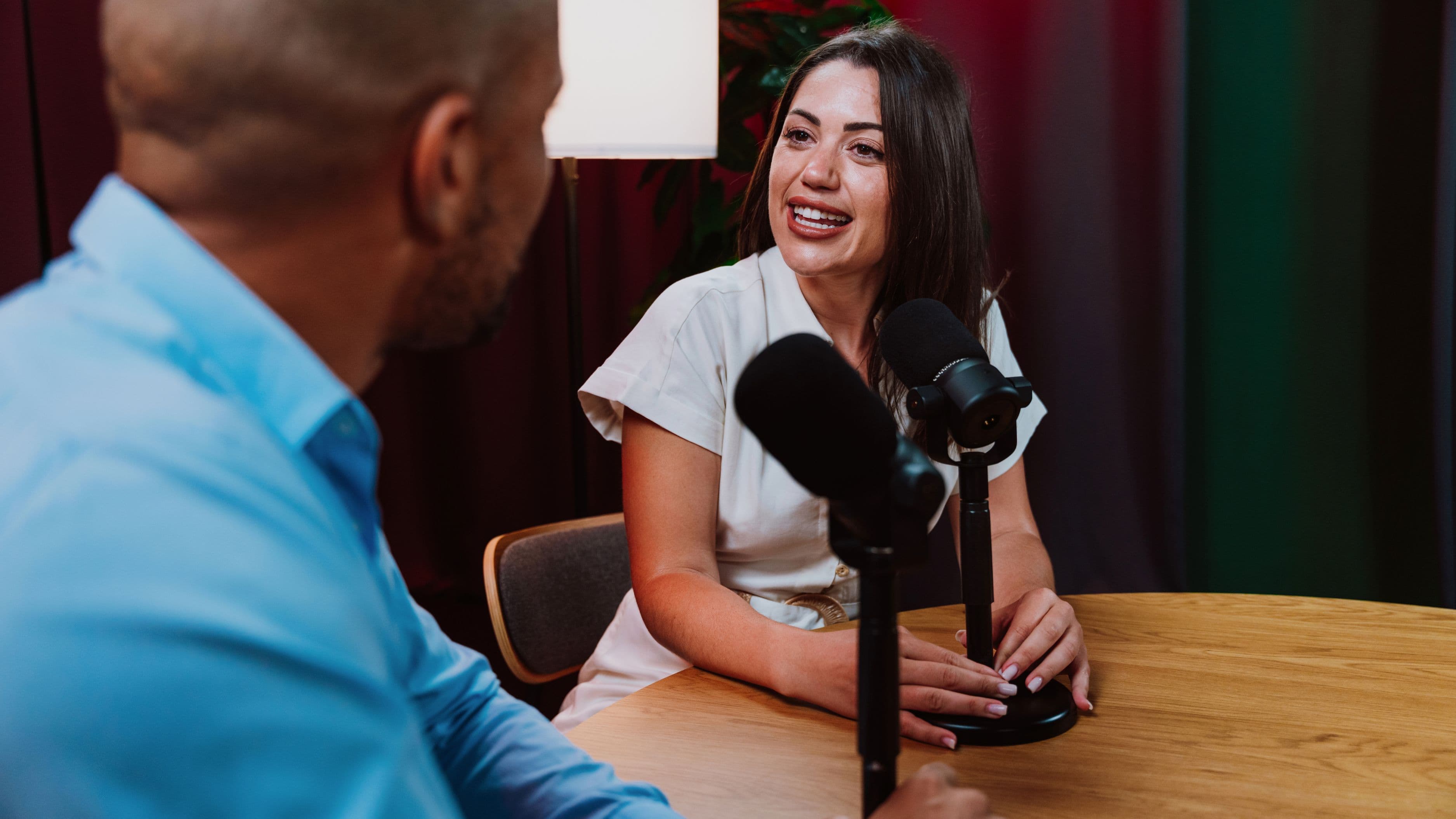
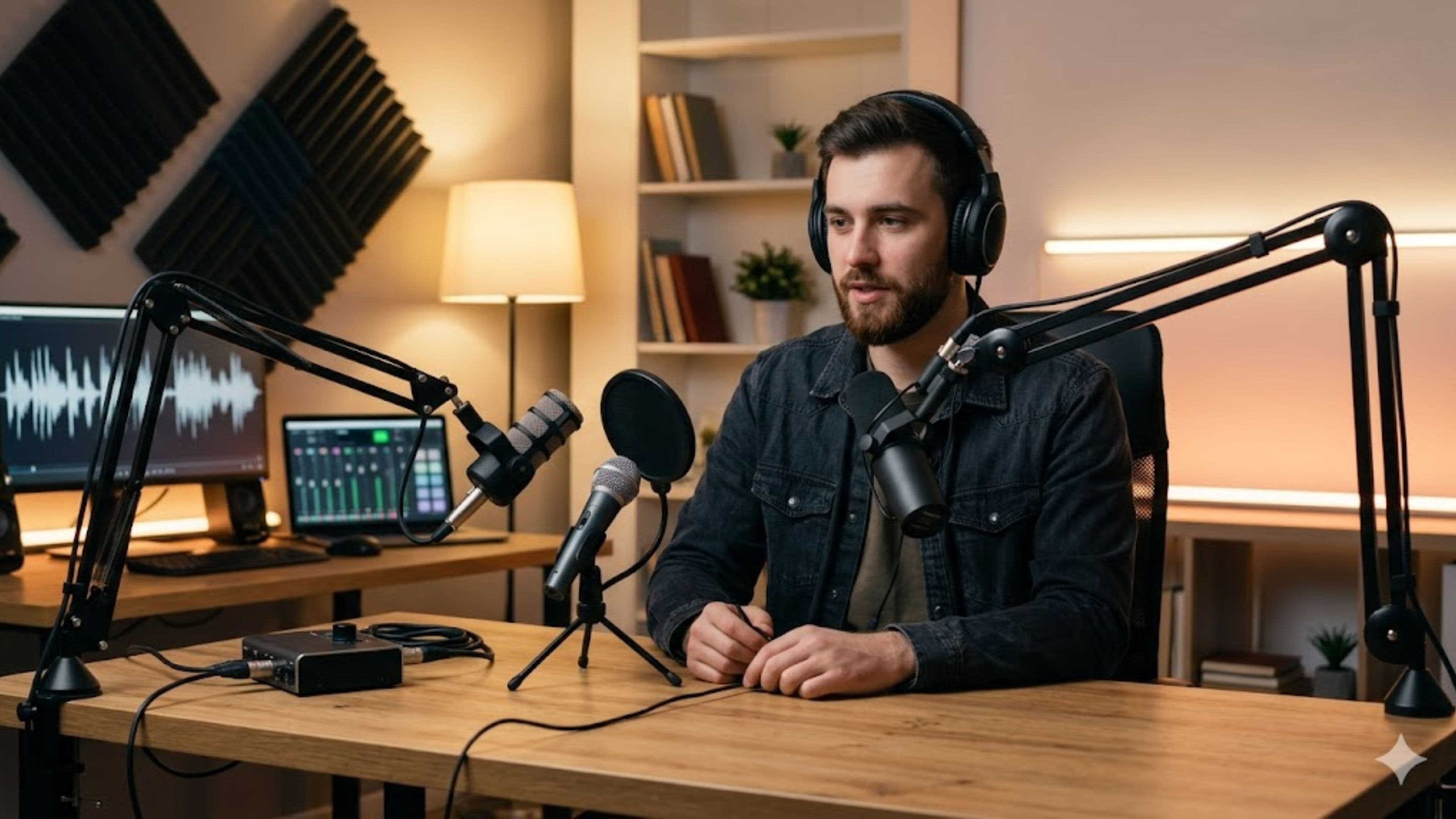
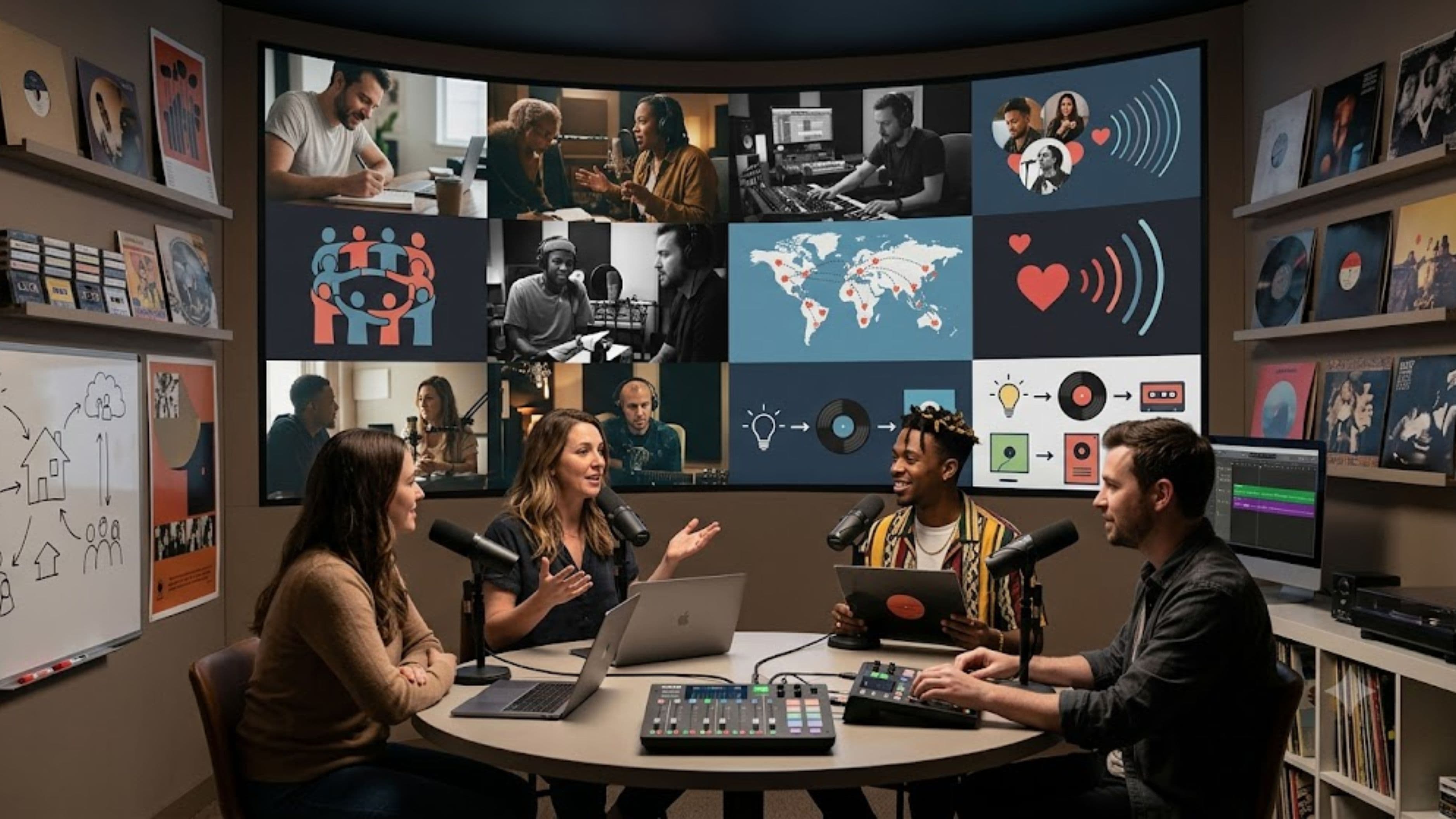
Adding video doesn't require a dramatically more complex setup than most creators assume. A decent webcam or basic camera, consistent lighting, and a clean background cover the baseline requirements for a video podcast that looks intentional rather than amateurish. Many creators start with a single-camera setup recording both hosts or a host-and-guest conversation, which is a meaningfully lower production bar than the multi-camera setups often associated with "professional" video content.
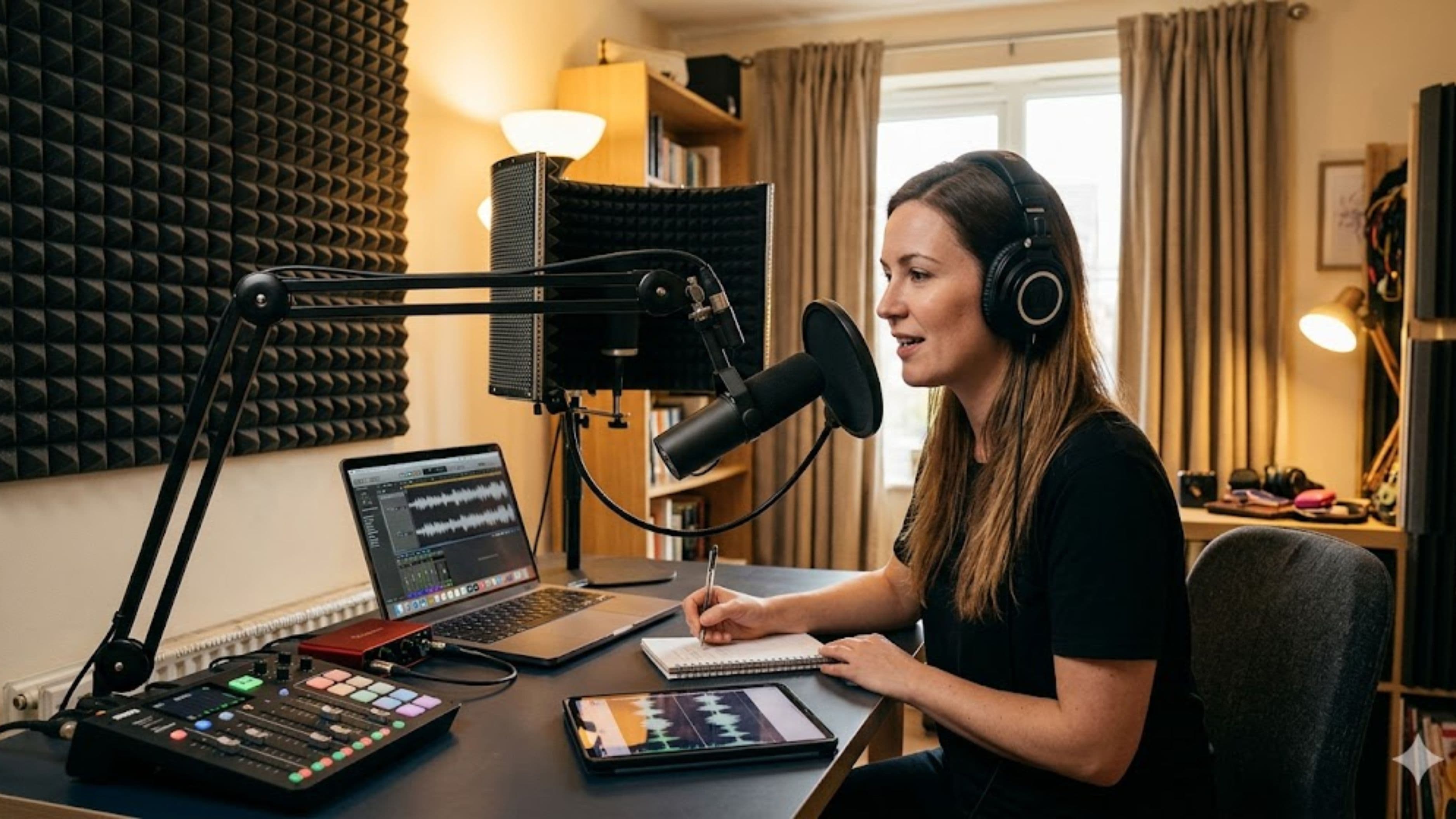
Software like Riverside.fm and Zencastr now support simultaneous audio and video recording for remote conversations, meaning the technical overhead of adding video to an existing remote-interview workflow is smaller than it might have been even a couple of years ago.
What This Means for Distribution Strategy
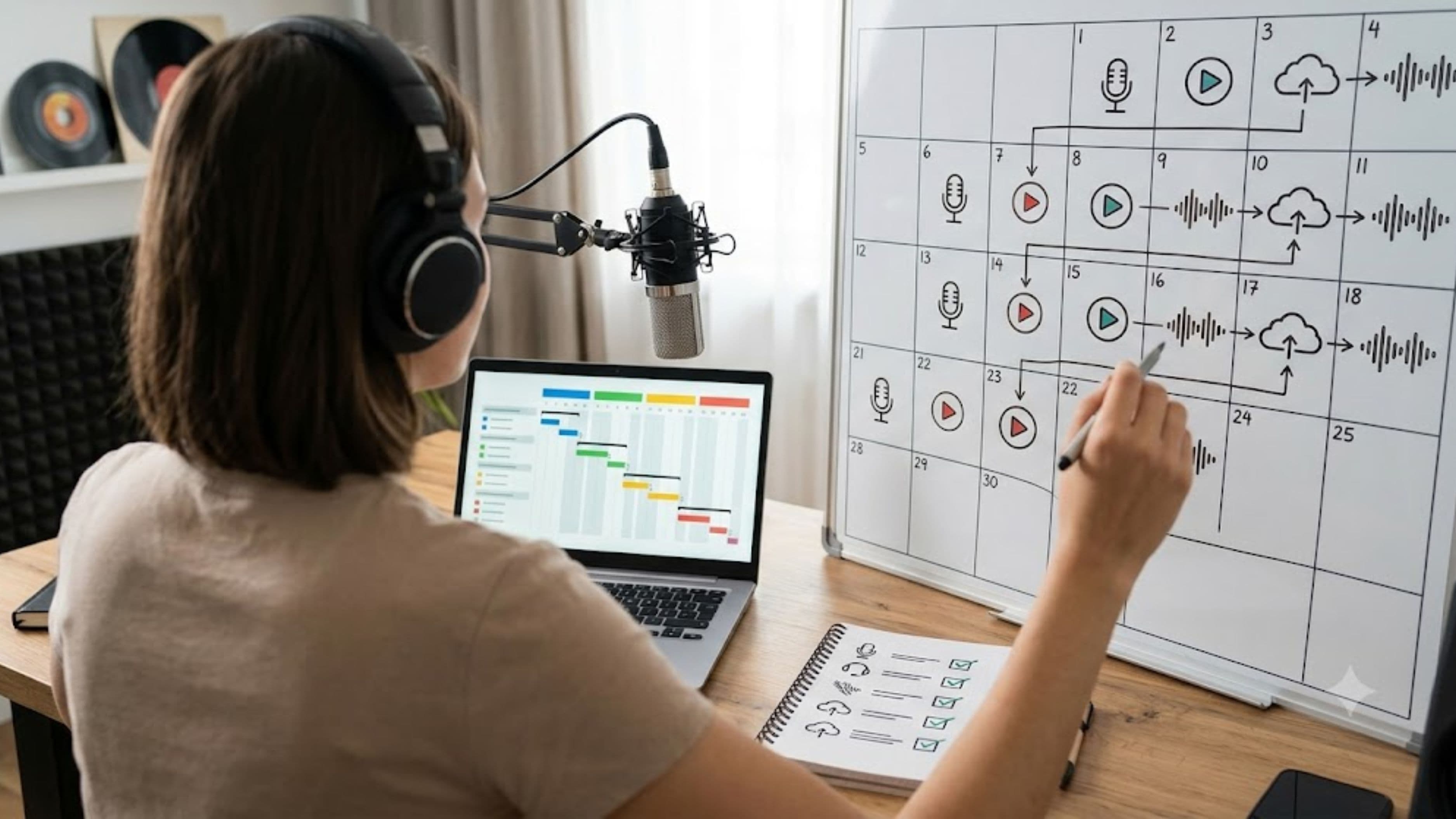
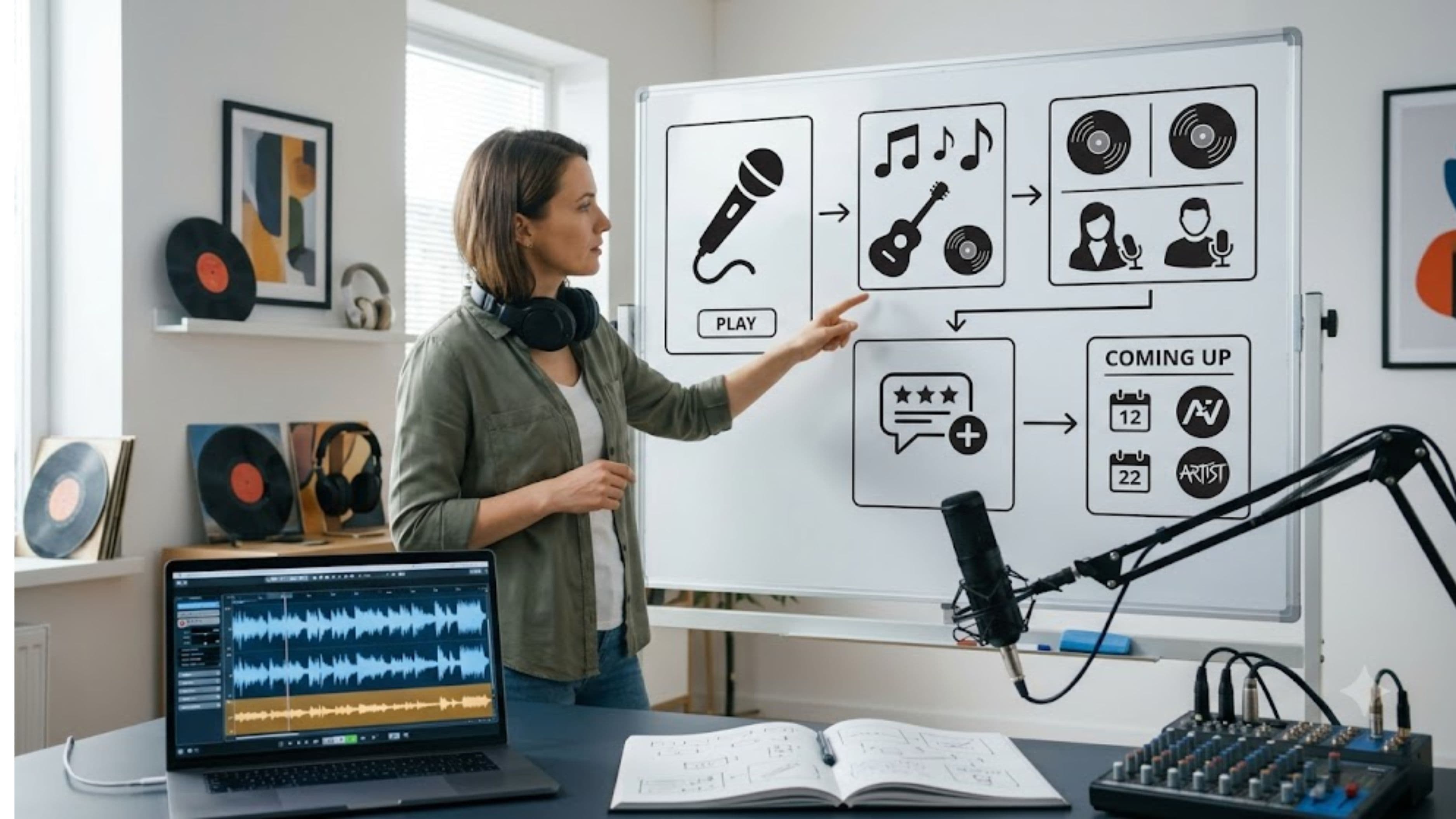
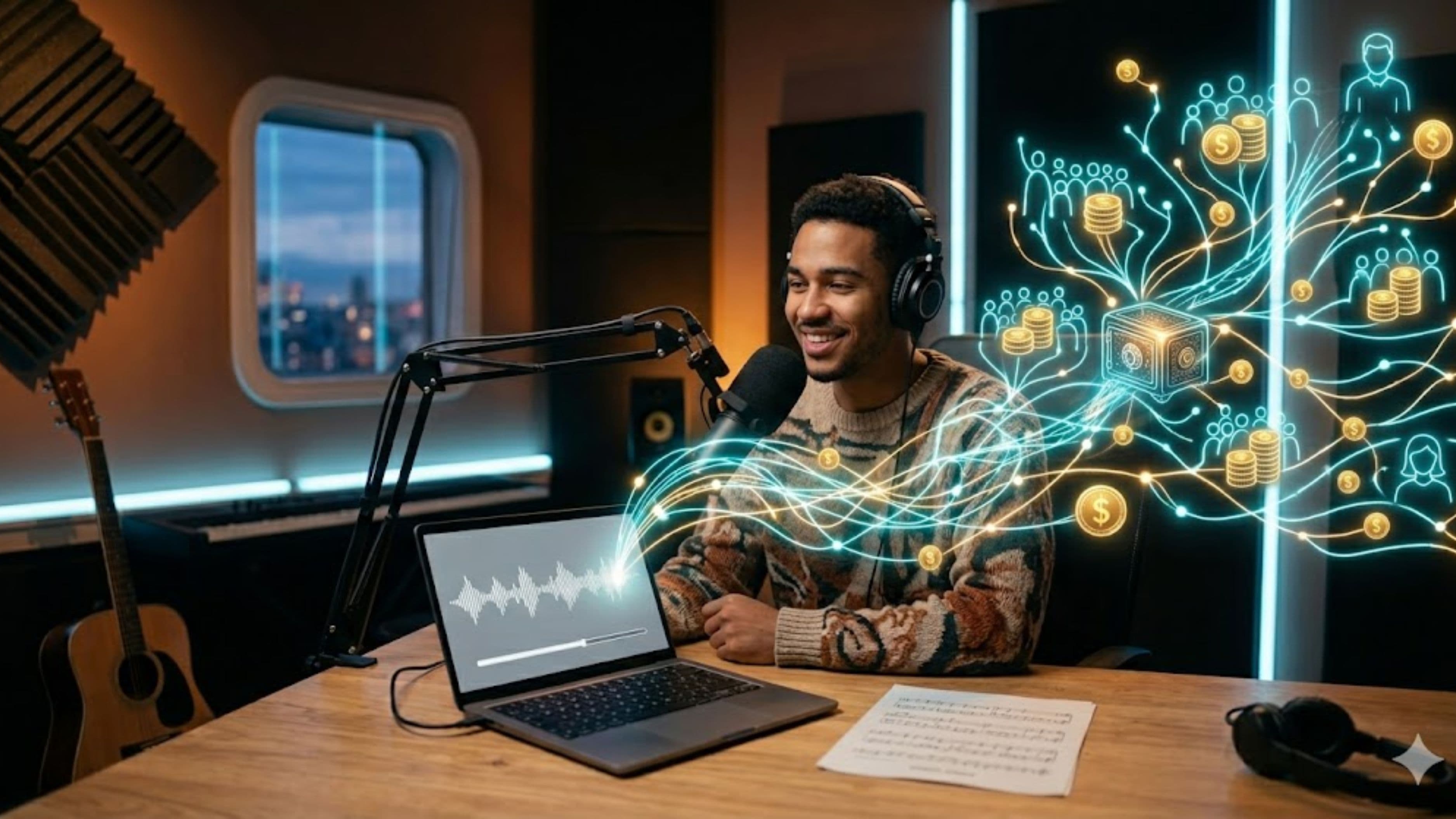
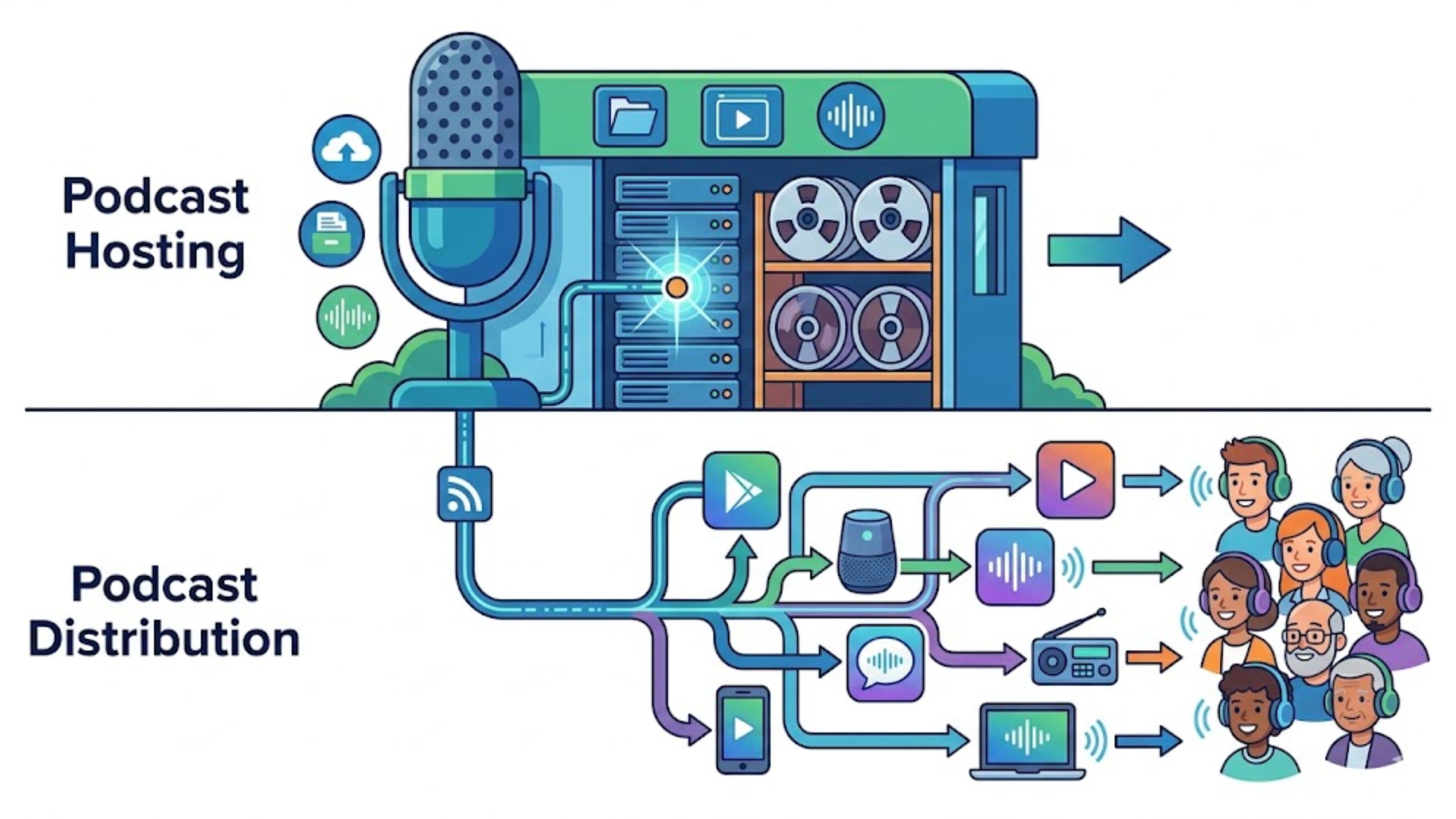
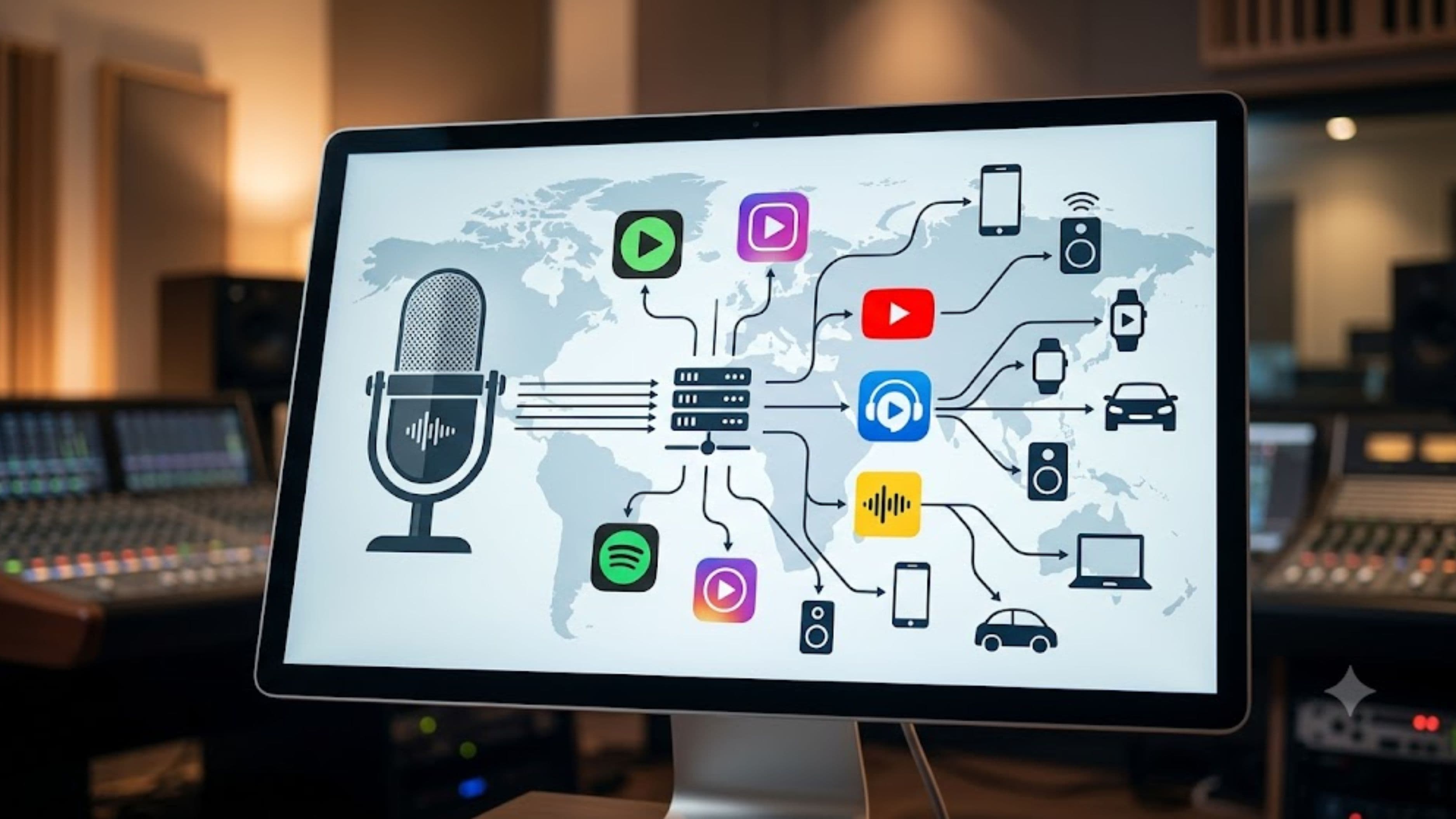
A video-recorded episode gives you assets for multiple platforms from a single recording session: the full episode for YouTube and video-supporting podcast platforms, an audio-only export for traditional audio podcast platforms, and short clips pulled from the full recording for social media distribution. This multiplies your effective reach from the same amount of recording time, compared to an audio-only workflow that produces a single output format.
This matters particularly for music podcasts trying to grow an audience, since short clips featuring an interesting music discussion moment or a visual gear demo tend to perform well as standalone social content in a way that audio clips generally can't replicate as effectively.
What to Watch Out For
Video production does add real overhead: lighting setup, camera positioning, background consideration, and generally more time spent on post-production editing compared to audio alone. If your current bandwidth genuinely can't support this additional layer, a strong audio-only show is still viable and shouldn't be abandoned purely to chase a format trend you can't sustain.
Quality bar matters more with video than audio in some ways, since poor lighting or a distracting background is more immediately noticeable to viewers than moderate audio quality issues are to listeners. If you're adding video, investing in basic lighting specifically tends to deliver more noticeable improvement than most other individual equipment upgrades.
Realistic Expectations
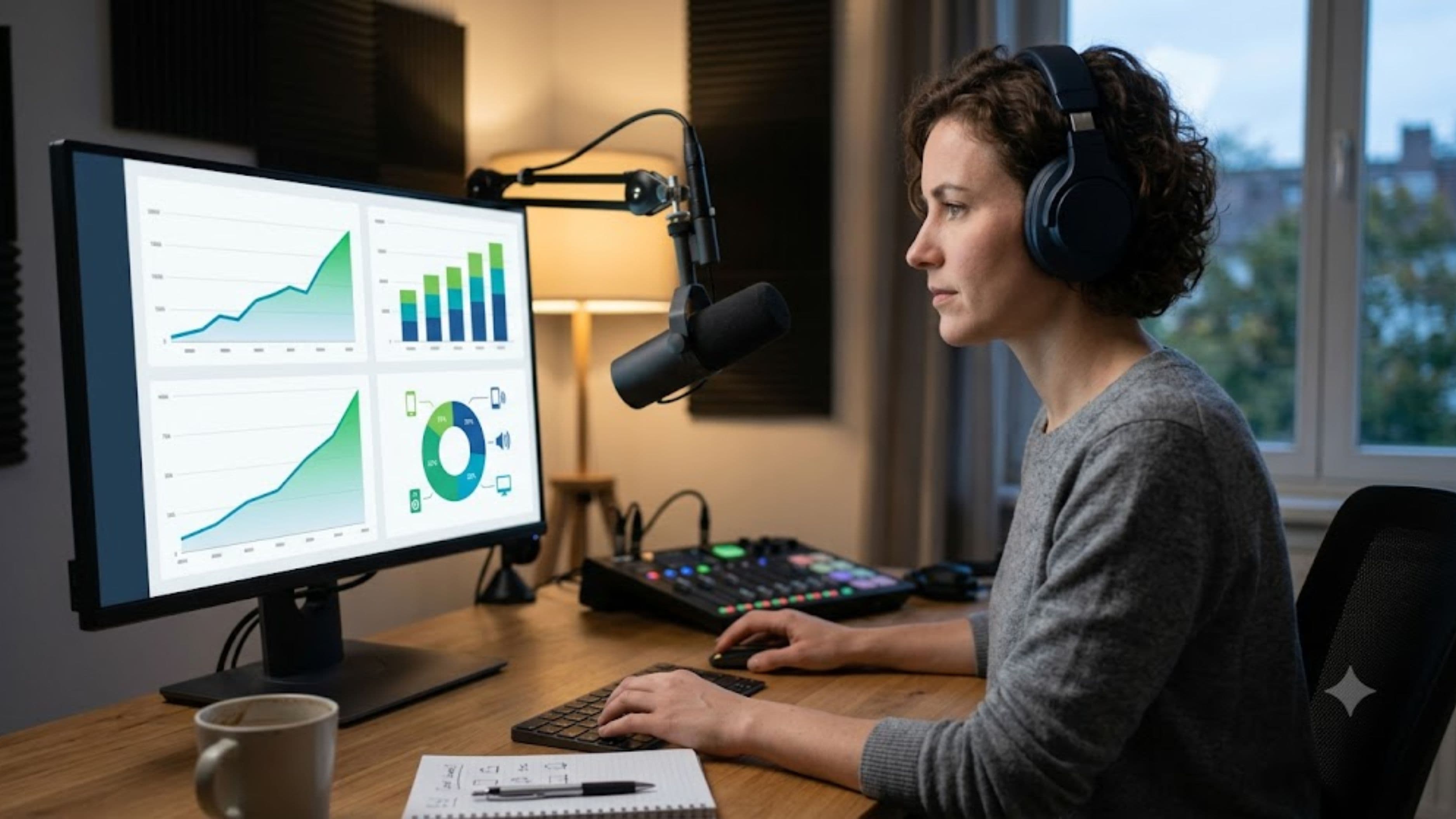
Adding video to an existing or new music podcast is a genuine strategic advantage in the current distribution landscape, but it's not going to single-handedly transform a struggling show into a successful one. It expands your available distribution channels and content formats meaningfully, which compounds with good content and consistency over time, rather than functioning as an instant growth lever on its own.
What to Watch Next
Expect continued platform investment in video podcast features specifically, as major platforms compete for creator content and audience attention in this format. Music podcasts that establish a video-inclusive workflow now are positioned to benefit as these platform features and algorithmic preferences continue developing, rather than needing to retrofit an entirely audio-based production process later.
FAQ
Do I need to switch entirely to video, or can I do both? Most successful music podcasters maintain both formats from a single recording session, exporting audio-only for traditional podcast platforms while also publishing the full video version and short clips elsewhere.
What's the minimum equipment needed to start a video podcast? A decent webcam or basic camera, consistent lighting (even a simple ring light), and a clean or intentional background cover the baseline. This doesn't require a large budget to look professional and clear.
Does adding video actually help podcast discovery, or is that overstated? Current platform algorithm behavior, particularly on YouTube and increasingly Spotify, does favor video content in recommendation and discovery systems, making it a genuine distribution advantage rather than just a nice-to-have.
📚 Sources
Spotify video podcast expansion – https://newsroom.spotify.com/
YouTube podcast consumption trends – https://blog.youtube/