Why Vintage Gear Sounds Different, Not Just "Warmer"
The common explanation you'll hear is that vintage analog gear sounds "warmer," a somewhat vague term that's actually pointing at something measurable: analog equipment, tape machines, tube preamps, certain vintage synthesizers, introduces specific, characteristic harmonic distortion and frequency response quirks that digital equipment, designed for maximum fidelity and accuracy, deliberately avoids. Modern digital tools can technically reproduce audio more accurately than any vintage gear ever could, but "more accurate" isn't the same as "what a specific generation of listeners and producers have come to associate with a beloved sound."
Real-world example: A vintage tape machine's natural saturation, the way it subtly compresses and adds harmonic warmth to a signal as it approaches the tape's physical recording limits, produces a specific coloration that digital saturation plugins attempt to emulate but that many producers and listeners still perceive as meaningfully different from the genuine article, even when the digital emulation is technically quite close.
The Specific Gear Categories Driving This Trend
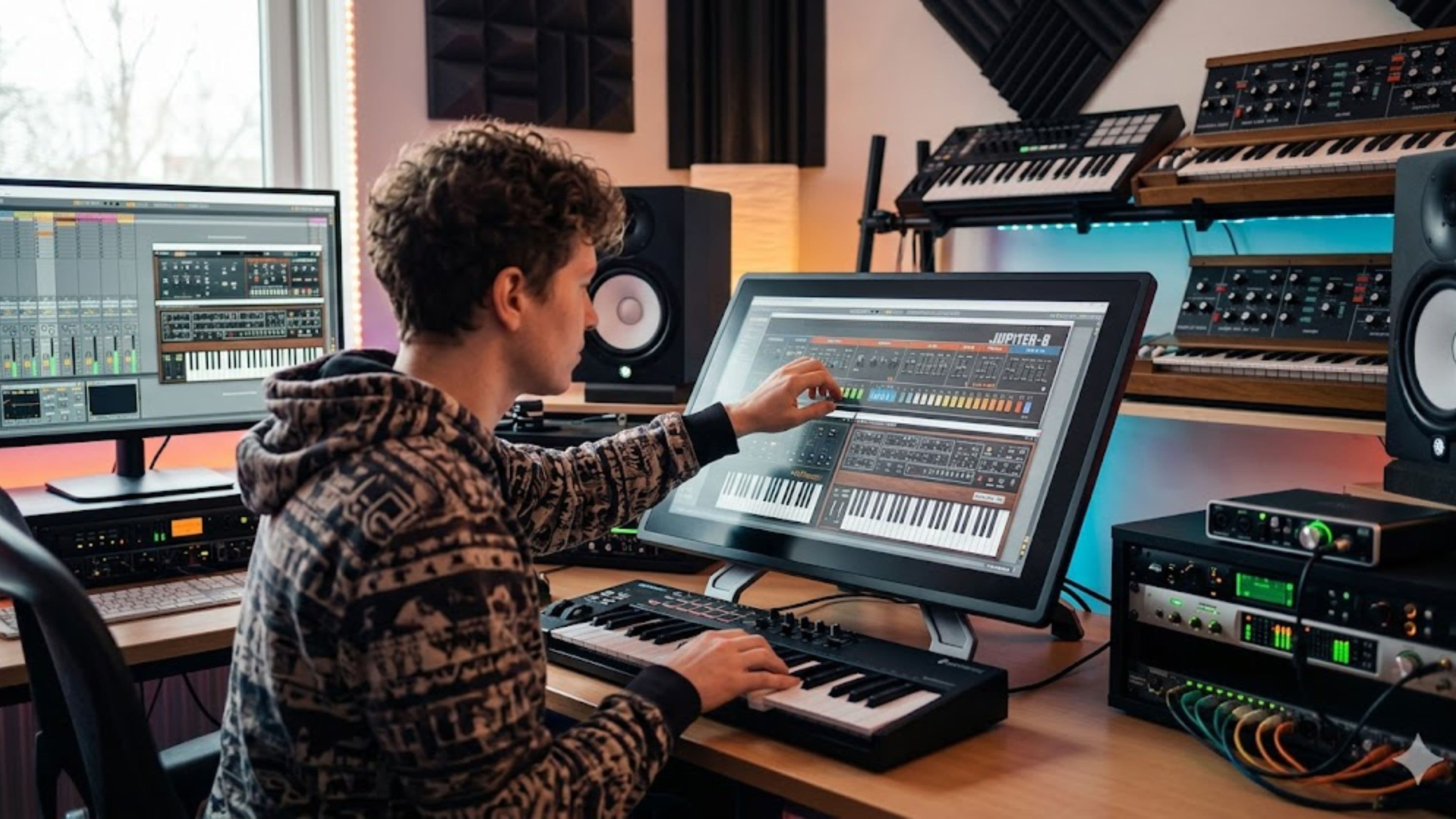
Vintage synthesizers remain particularly sought after in electronic and hip-hop production specifically, since their analog oscillators produce a subtly different, often described as "fatter" or more organic, tonal quality compared to digital emulations, even highly sophisticated ones. Producers working in genres where this specific sonic signature is a core part of the genre's identity often view the vintage instrument as delivering something genuinely irreplaceable, not merely a stylistic preference.
Analog tape machines continue seeing use specifically for their natural compression and saturation characteristics, sometimes used not for full recording but specifically as a processing step, running a digitally recorded track through tape to capture that specific coloration before returning to a digital workflow for the remainder of production.
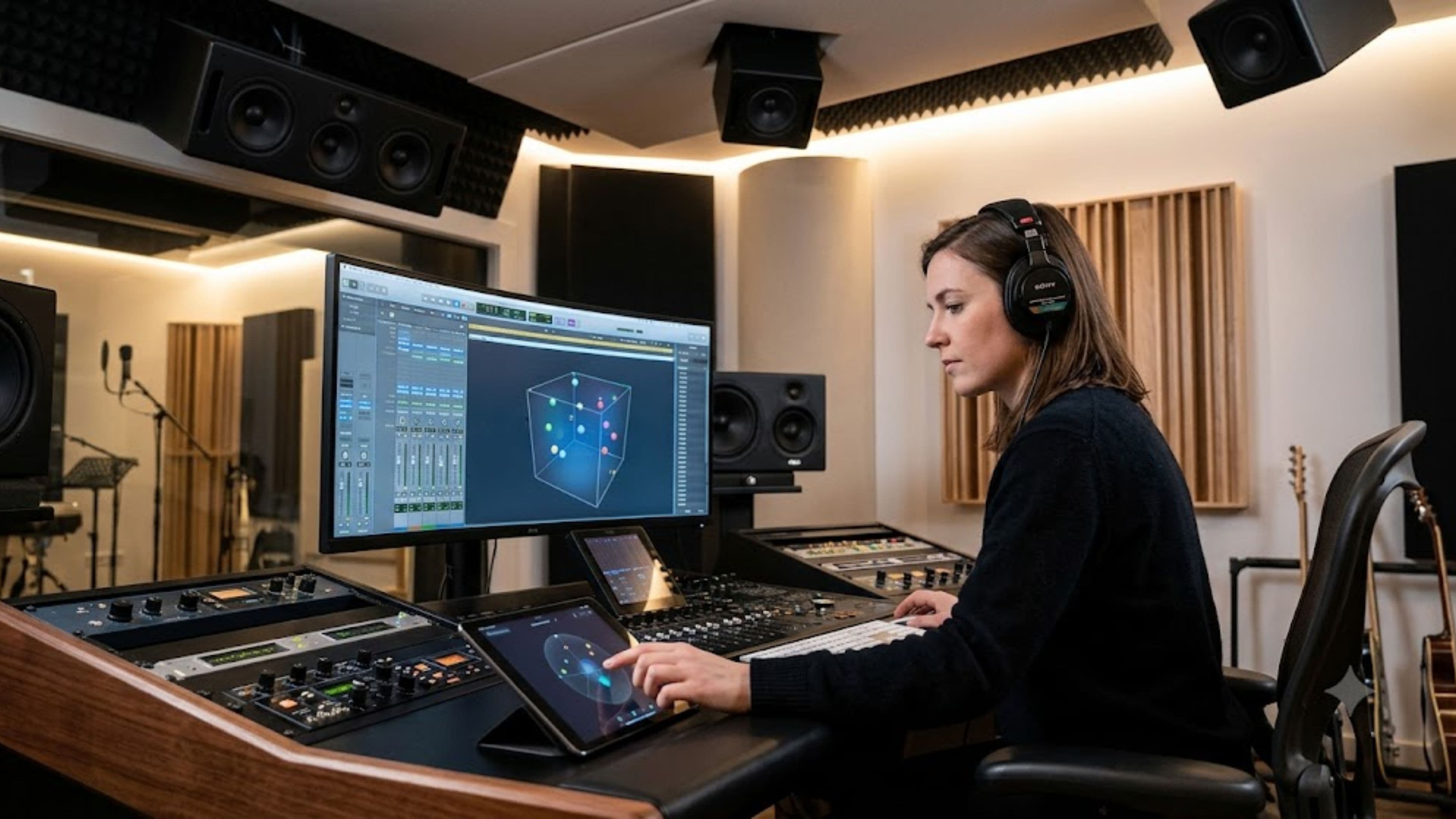
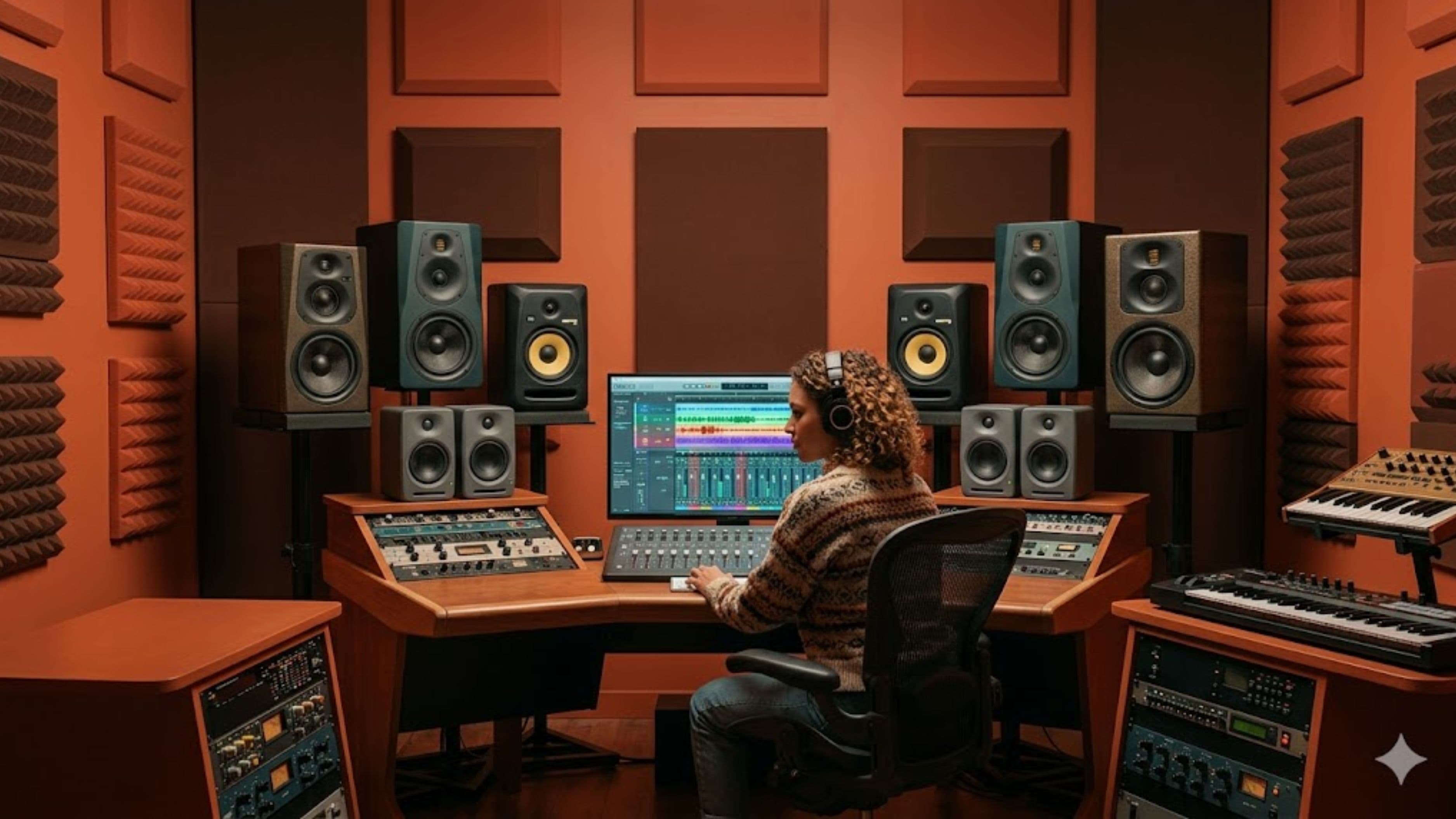
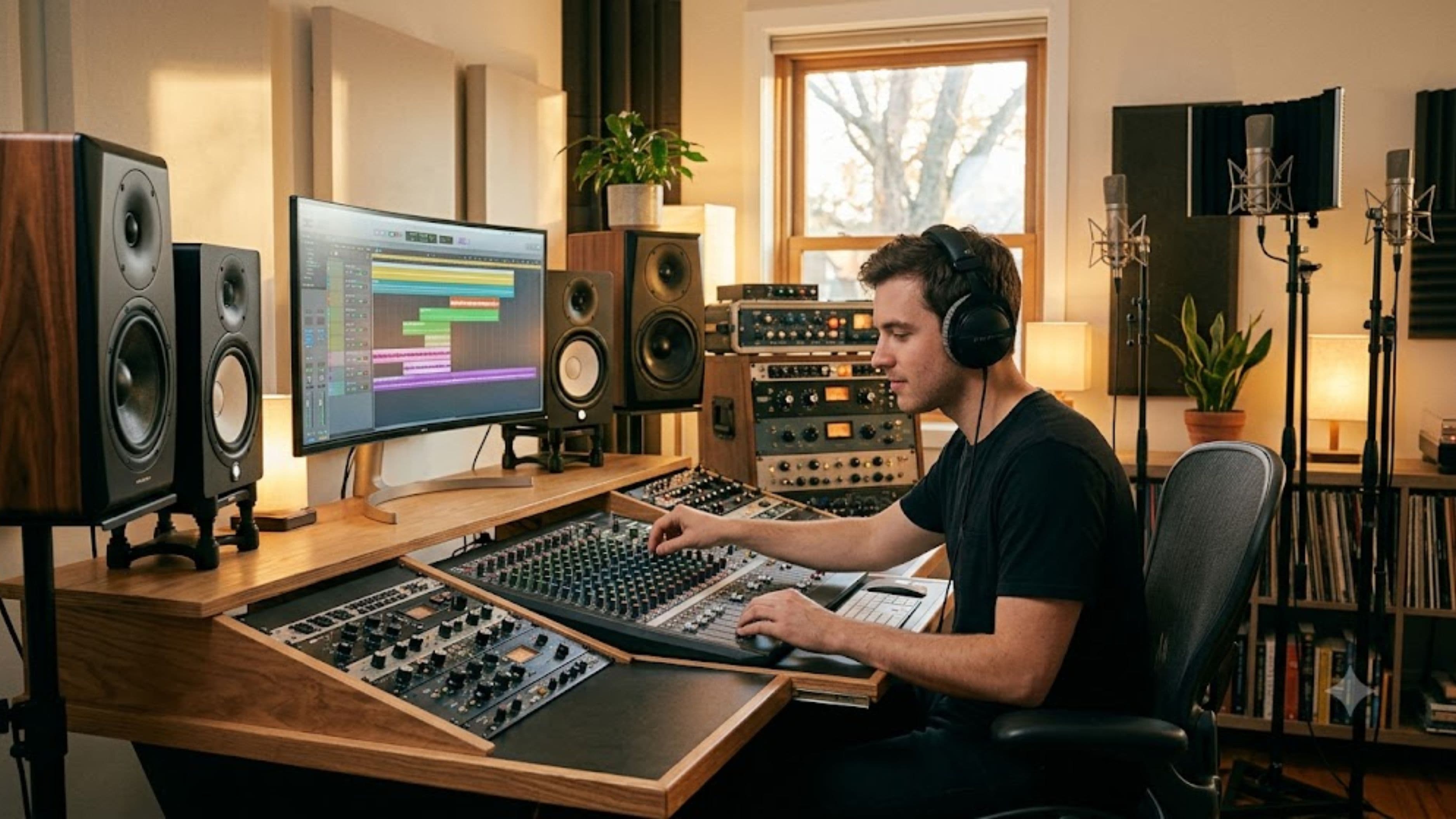
Vintage outboard hardware, compressors, equalizers, and preamps from specific respected manufacturers and eras, maintains a dedicated following among mixing and mastering engineers who believe these units impart a specific character that contemporary digital plugin emulations, despite genuine technical sophistication, still don't fully replicate to their ears.
Why This Matters Beyond Just Gear Nerds
This trend has genuinely shaped what modern hit records actually sound like, not just niche, purist productions. Popular music across multiple genres regularly incorporates vintage-sourced sounds, whether through actual vintage hardware or through sample libraries and plugins specifically built around capturing vintage equipment's characteristic sound, meaning even listeners with no specific gear knowledge are hearing the influence of this preference regularly, whether they recognize it explicitly or not.
Why it matters for working producers: Understanding which specific sonic qualities audiences and collaborators associate with certain genres, warmth and saturation in soul and hip-hop production, specific vintage synth characteristics in certain strains of electronic music, helps producers make more intentional choices about when incorporating vintage-inspired processing genuinely serves a track, versus when it's more about gear enthusiasm than actual sonic necessity.
The Digital Emulation Question
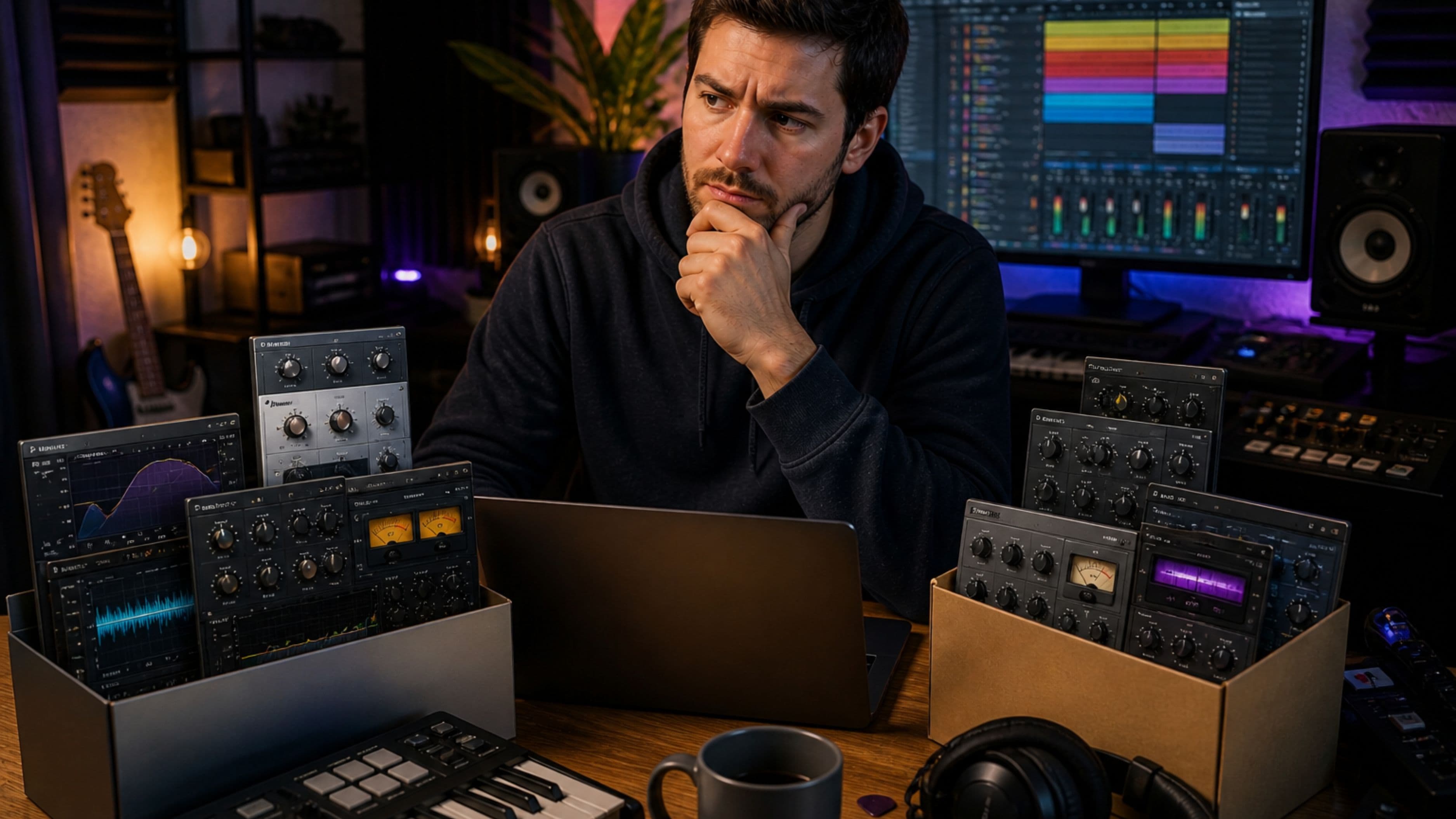
A genuinely interesting ongoing debate within production circles is how close digital emulations of vintage gear have actually gotten, and whether the remaining perceived difference is measurable or increasingly more about psychological association and expectation than actual audible distinction. Sophisticated modern plugins modeling specific vintage tape machines, consoles, and hardware units have improved considerably, and in blind listening tests, the gap between genuine vintage hardware and quality digital emulation has narrowed meaningfully compared to earlier generations of emulation technology.
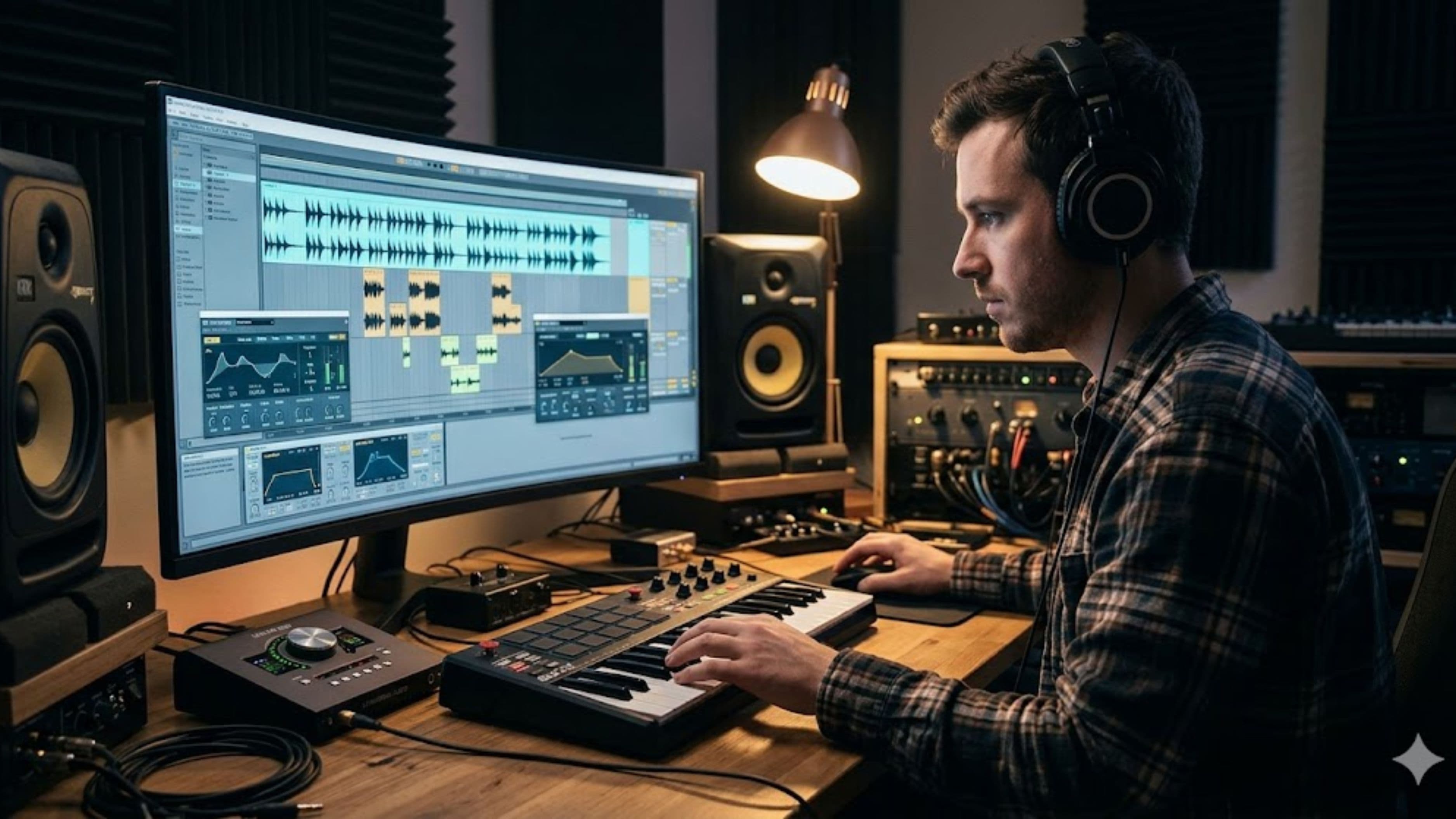
What this means practically for independent producers: For most working producers without access to genuine, well-maintained vintage hardware, which requires both significant investment and ongoing maintenance considerations, quality digital emulations increasingly deliver a comparable result for the vast majority of practical production needs, making the vintage-versus-digital choice less about achievable sound quality and more about workflow preference, budget, and in some cases, a genuine creative and tactile preference for physical hardware.
What to Avoid
Avoid assuming vintage gear is a requirement for achieving a specific genre's characteristic sound; quality digital emulations have closed much of the practical gap, and many successful modern productions rely entirely on well-chosen digital tools. Avoid purchasing vintage hardware purely based on its reputation or collector value without understanding its specific maintenance needs, aging analog equipment often requires ongoing care and occasional repair that a budget or timeline may not comfortably accommodate.
It's also worth avoiding the trap of treating vintage gear acquisition as a substitute for developing your own production and mixing skills; the equipment contributes a specific coloration, but skilled use of any tool, vintage or digital, ultimately matters more than which specific gear produced the underlying sound.
Realistic Expectations
For independent producers curious about incorporating this vintage-influenced sound into their own work, starting with quality digital emulation plugins built around specific well-regarded vintage equipment offers a genuinely accessible, lower-cost entry point before considering an investment in actual vintage hardware. As your ear develops and your specific creative direction solidifies, you'll have a clearer sense of whether the remaining gap between digital emulation and genuine vintage hardware matters enough for your specific work to justify that further investment.
FAQ
Is vintage gear actually better than modern digital alternatives? Not objectively "better" in a technical sense, digital tools offer superior accuracy and consistency, but vintage gear produces a specific, characteristic coloration that many producers and listeners have come to associate with particular genres and eras.
Can digital emulations really replicate vintage gear convincingly? Modern, well-developed emulations have closed much of the perceptible gap for most practical purposes, though dedicated enthusiasts and specific mixing engineers still often identify subtle differences in careful listening comparisons.
Should a beginner producer invest in vintage gear early on? Generally not recommended as a starting point; developing core production and mixing skills using accessible digital tools first, then exploring vintage-influenced sound through quality emulations, is a more practical and lower-risk path.
📚 Sources
Sound on Sound – Analog Versus Digital Production Techniques: https://www.soundonsound.com/
Audio Engineering Society – Emulation Technology in Modern Production: https://www.aes.org/
🔍 Explore Related Topics
Why vintage synthesizers remain popular in hip-hop production
How to incorporate vintage-inspired sound without vintage gear